

Seven Chakras Explained: Meanings, Colours & Crystals
The chakra system is often used as a framework for reflection, meditation and spiritual practice. The word chakra comes from Sanskrit and is commonly translated as “wheel” or “disc”.
Chakra teachings have roots in South Asian spiritual traditions, including Hindu and Buddhist philosophy. The familiar modern system of seven chakras, each linked with a rainbow colour, emotion and area of the body, is a later interpretation that has become popular in Western wellness and crystal communities.
There is no single universal way to understand or work with chakras. They are best approached with respect, curiosity and an understanding that spiritual practices are personal rather than medical treatment.
What are the seven chakras?
In the popular seven-chakra system, the chakras are arranged from the base of the spine to the crown of the head. Each one is associated with particular themes, qualities and areas of personal reflection.
Rather than thinking of a chakra as something that must be “fixed”, it can be more helpful to use each chakra as a prompt for checking in with yourself.
Root Chakra
Sanskrit name: Muladhara
Location: Base of the spine
Common colour association: Red
Themes: Stability, safety, belonging and connection to the physical world
The Root Chakra is traditionally associated with foundations: home, security, routine and your relationship with the world around you.
Working with this chakra may involve reflecting on what helps you feel settled, supported and present.
Helpful practices may include:
- Spending time outdoors
- Creating reliable daily routines
- Slow breathing or grounding meditation
- Paying attention to sleep, food and practical needs
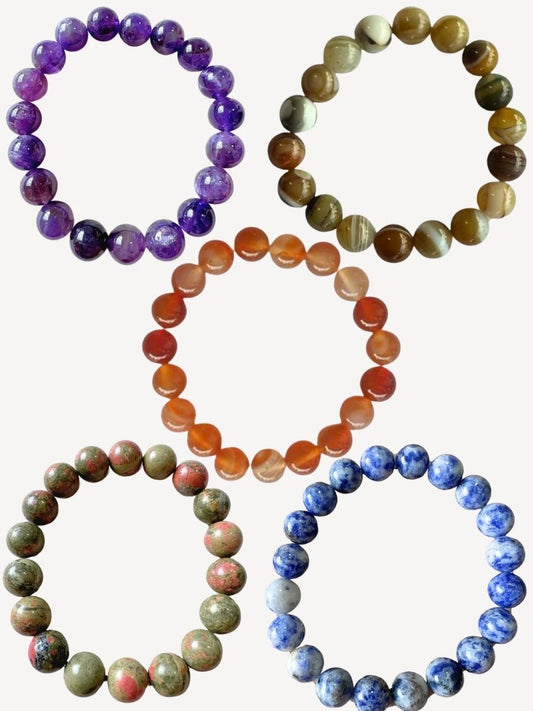
- Holding a grounding stone during reflection
Crystals commonly linked with the Root Chakra include Black Tourmaline, Smoky Quartz, Hematite, Obsidian and Red Jasper.
Sacral Chakra
Sanskrit name: Svadhisthana
Location: Lower abdomen
Common colour association: Orange
Themes: Creativity, pleasure, emotion and connection
The Sacral Chakra is commonly associated with creativity, enjoyment, emotional expression and your ability to connect with others.
You might reflect on whether you are allowing enough space for play, curiosity and creative expression in everyday life.
Gentle practices may include:
- Painting, writing or making something without judging the result
- Dancing or moving in a way that feels natural
- Journalling about emotions
- Spending time near water
- Exploring what genuinely brings you joy
Crystals often associated with the Sacral Chakra include Carnelian, Orange Calcite, Moonstone, Sunstone and Peach Aventurine.
Solar Plexus Chakra
Sanskrit name: Manipura
Location: Upper abdomen
Common colour association: Yellow
Themes: Confidence, personal power, motivation and boundaries
The Solar Plexus Chakra is traditionally connected with confidence, decision-making and the ability to act with purpose.
Working with this chakra does not mean forcing yourself to feel confident all the time. It may simply involve noticing where you feel capable, where you hesitate and what helps you trust your own judgement.
Practices may include:
- Setting one realistic goal
- Practising clear boundaries
- Writing down recent achievements
- Taking a small step towards something important
- Using affirmations that feel believable rather than exaggerated
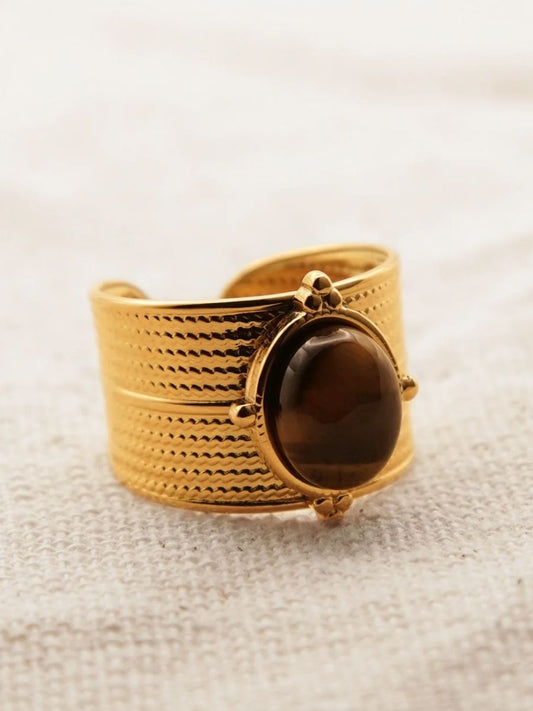
Crystals commonly linked with the Solar Plexus Chakra include Citrine, Tiger’s Eye, Pyrite, Yellow Calcite and Rutilated Quartz.
Heart Chakra
Sanskrit name: Anahata
Location: Centre of the chest
Common colour association: Green or pink
Themes: Love, compassion, grief and connection
The Heart Chakra is commonly associated with love in its many forms, including self-respect, friendship, compassion, forgiveness and the ability to receive care.
It can also be used as a reflective space for grief and emotional boundaries. Heart-centred practice does not require forgiving harmful behaviour or ignoring your own needs.
Gentle ways to work with this area include:
- Practising self-compassion
- Spending time with people who feel safe and supportive
- Writing a letter you do not need to send
- Reflecting on what healthy love looks like to you
- Taking slow breaths while placing a hand over your chest
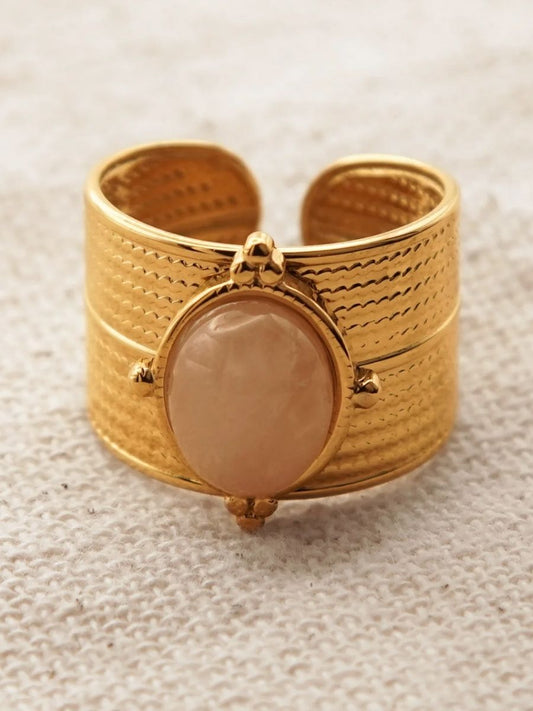
Crystals often associated with the Heart Chakra include Rose Quartz, Green Aventurine, Rhodonite, Rhodochrosite, Malachite and Emerald.
Throat Chakra
Sanskrit name: Vishuddha
Location: Throat
Common colour association: Blue
Themes: Communication, truth, listening and self-expression
The Throat Chakra is traditionally linked with the way we communicate, but speaking is only one part of it. Listening, choosing silence and expressing yourself through art or writing can also form part of this practice.
Reflection may focus on whether you feel able to communicate honestly while still respecting yourself and others.
Helpful practices may include:
- Journalling before an important conversation
- Practising calm and direct language
- Singing, humming or reading aloud
- Listening without preparing your response
- Asking yourself what you genuinely want to say
Crystals commonly associated with the Throat Chakra include Blue Lace Agate, Aquamarine, Sodalite, Lapis Lazuli, Blue Kyanite and Turquoise.
Third Eye Chakra
Sanskrit name: Ajna
Location: Between the eyebrows
Common colour association: Indigo
Themes: Insight, imagination, intuition and perspective
The Third Eye Chakra is traditionally associated with perception and inner awareness.
In modern practice, it can provide a useful prompt for reflecting on your instincts, assumptions and ability to see a situation from more than one perspective. Intuition does not need to replace logic; the two can work together.
Practices may include:
- Quiet meditation
- Dream journalling
- Reflecting before making a decision
- Reducing distractions for a short period
- Asking what facts and feelings are influencing your judgement
Crystals often linked with the Third Eye Chakra include Amethyst, Labradorite, Iolite, Azurite, Fluorite and Lapis Lazuli.
Crown Chakra
Sanskrit name: Sahasrara
Location: Crown or just above the head
Common colour association: Violet or white
Themes: Meaning, awareness, spirituality and connection
The Crown Chakra is commonly associated with spiritual understanding, contemplation and a sense of connection with something larger than the individual self.
That connection may be religious, spiritual, philosophical or simply a feeling of belonging within nature and humanity.
Reflective practices may include:
- Meditation or prayer
- Reading spiritual or philosophical texts
- Spending quiet time in nature
- Practising gratitude
- Considering what gives your life meaning
Crystals often associated with the Crown Chakra include Clear Quartz, Amethyst, Selenite, Howlite and Apophyllite.
How to work with chakra crystals
A simple practice could involve:
- Choosing one chakra theme to reflect on.
- Selecting a crystal commonly associated with that theme.
- Sitting somewhere comfortable for five to ten minutes.
- Holding the stone or placing it nearby.
- Breathing slowly and considering one relevant question.
- Writing down anything useful that comes to mind.
For example, when reflecting on the Throat Chakra, you might ask:
What am I finding difficult to express clearly?
For the Root Chakra:
What would help me feel more stable this week?
Tags:
Related articles

A Guide To Birthstones
Sep 11 2024

5 ways to manifest with crystals
Feb 01 2023
Working With Carnelian
Jul 16 2019
Using the elements to cleanse your crystals
Jul 25 2018
What Is a Crystal Grid? A Beginner’s Guide.
Sep 18 2016